

Inline pressure transmitters are essential for safe, efficient phosphate fertilizer production, especially in wet-process phosphoric acid plants. They deliver reliable, real-time pressure data in corrosive dilute sulfuric acid pipelines, resisting corrosion, solids, and turbulence with durable, low-maintenance designs. Accurate monitoring prevents unsafe pressure conditions, triggers alarms or shutdowns to manage hazardous gases, and avoids surges that could damage equipment or cause releases. Advanced filtering ensures stable readings despite process noise, supporting consistent acid flow and high-quality output.

Overview of Key Industrial Processes in Phosphate Fertilizer Plants
Phosphate fertilizer plants mainly use the wet-process phosphoric acid production method. In this process, finely ground phosphate ore is mixed with dilute sulfuric acid. This acidolysis process releases phosphoric acid while forming calcium sulfate dihydrate (gypsum) as the primary byproduct. The reaction proceeds as sulfuric acid attacks the phosphate minerals, liberating phosphoric acid into the liquid phase. Over 95% of phosphate rock in the United States feeds into this method, underscoring its role as the industry’s backbone for producing key products like monoammonium phosphate and calcium superphosphate fertilizers.
The efficiency of industrial-scale phosphoric acid production depends on robust phosphate ore processing techniques. Optimized solid–liquid separation is necessary for a high yield of P2O5 (phosphorus pentoxide). Process parameters such as ore fineness, reaction temperature, and controlled sulfuric acid dosing must be maintained within narrow tolerances to maximize conversion efficiency while limiting the formation of unwanted side products. Consistency in these steps directly impacts downstream processes.
Dilute Sulfuric Acid Handling and Byproduct Management
Dilute sulfuric acid usage in phosphoric acid production must be precisely controlled. Accurate dosing and even distribution optimize phosphoric acid yield and minimize unreacted ore. Effectively managed, the flow of dilute sulfuric acid also helps control the rate of gypsum precipitation. Excessive turbulence or uneven acid addition can lead to localized supersaturation, which causes rapid crystal growth and potential blockages in pipes or equipment.
Real time monitoring of key flows is essential to impurity clogging prevention in phosphoric acid production. Advanced measurement and control systems help address turbulence interference effects in chemical processing operations, leading to better byproduct management. For instance, well-regulated processes promote the formation of filterable gypsum crystals, which eases solid-liquid separation and reduces operational disruptions. This attention to byproduct handling is vital for sustaining production and maintaining compliance with waste regulations.
Fertilizer Production Pathways
Following acidolysis and initial filtration, phosphoric acid serves as the building block for fertilizer production in phosphate fertilizer plants. Monoammonium phosphate and calcium superphosphate fertilizer production require careful management of reactants. For monoammonium phosphate, wet-process phosphoric acid reacts with ammonia under controlled conditions. In the calcium superphosphate process, sulfuric acid and phosphate rock are combined to yield a fertilizer mixture high in soluble phosphorus.
Efficient management of these reactions demands precise monitoring of acid flows and solid–liquid ratios. Such control minimizes side reactions and improves fertilizer quality. Proper management of the calcium sulfate dihydrate (gypsum) byproduct remains crucial; accumulation or improper separation can cause operational issues throughout the plant. By optimizing each stage—from initial phosphate ore processing techniques to byproduct management—plants maximize output, reduce downtime, and support long-term maintenance of their equipment.
Frequent disassembly and cleaning reduction strategies, together with measurement stability improvements in industrial processes, further improve maintenance frequency optimization. These best practices for phosphate fertilizer plant operations help prevent recurring issues and sustain safe handling of process gases and acidity throughout the facility.
Addressing Operational Challenges in Inline Pressure Measurement
Impurity Clogging and Turbulence Interference
In the phosphoric acid production process, especially in wet-process phosphoric acid production, pipelines transporting dilute sulfuric acid and phosphate slurries face significant challenges due to impurity buildup. Phosphate ore processing techniques often introduce insoluble particles, which accumulate and lead to partial or complete pipeline blockages. Turbulence caused by these impurities and the mixing of acid and slurries worsens pressure fluctuations, resulting in unstable readings and unplanned production stops.
High-precision inline pressure transmitters detect even minor pressure anomalies in real time, enabling operators to identify impurity clogging at early stages. This rapid detection is crucial for impurity clogging prevention in phosphoric acid production and reduces the likelihood of process interruptions. Integrating advanced transmitters supports troubleshooting related to turbulence interference effects in chemical processing, maintaining measurement integrity despite harsh flow conditions.

Phosphate Fertilizer
*
Maintenance Frequency and Cleaning Optimization
Harsh chemical environments—such as those found in monoammonium phosphate fertilizer production or calcium superphosphate fertilizer production—accelerate wear on sensors and connecting hardware. This leads to frequent disassembly and cleaning operations, increasing maintenance frequency and operational costs. Manual intervention to service or calibrate equipment also exposes staff to hazardous chemical environments.
Inline pressure transmitters, designed for chemical resistance and robust sealing, offer long-term maintenance solutions for phosphoric acid production equipment. Reliable, real time pressure data reduces the need for frequent disassembly. Operators can target cleaning based on diagnostic trends, aligning with frequent disassembly and cleaning reduction strategies. Over time, these optimizations help control maintenance frequency and support cost-effective, best practices for phosphate fertilizer plant operations.
Measurement Stability and Process Efficiency
Industrial-scale phosphoric acid production relies on consistent sensor performance. Stable, accurate pressure measurement is central to effective acidolysis process control in phosphoric acid manufacturing. Paired with inline concentration, density, viscosity, level, and temperature meters—such as those by Lonnmeter—pressure transmitters enable operators to monitor every aspect of the process fluid.
This comprehensive instrumentation provides valuable diagnostics for process efficiency in phosphoric acid production. For example, variations in pressure linked with concentration or density data can reveal early signs of scale formation or partial clogs, prompting targeted interventions. Such integrated systems directly increase yield, maintain correct calcium sulfate dihydrate gypsum byproduct management, and optimize wet-process phosphoric acid production operations.
Ensuring Safety with Hazardous Material Handling
Safety is a priority in all stages of chemical plant operations due to the handling of flammable and explosive gases, particularly during acid transfer steps. Uncontrolled pressure spikes can result in pipeline failures, hazardous gas releases, or even explosions. Inline sensors, especially Lonnmeter inline pressure transmitters, form the first line of defense against these risks.
Equipped with rapid detection capability and reliable alarm-triggered shutdown functions, these transmitters immediately relay pressure anomalies. This enables immediate shutdown protocols to be activated, greatly enhancing the safety handling of flammable and explosive gases in chemical plants. Implementing robust, real time monitoring is essential for safeguarding both personnel and plant infrastructure during phosphate fertilizer plant operations.
Lonnmeter Inline Pressure Transmitters: Product Benefits and Solutions
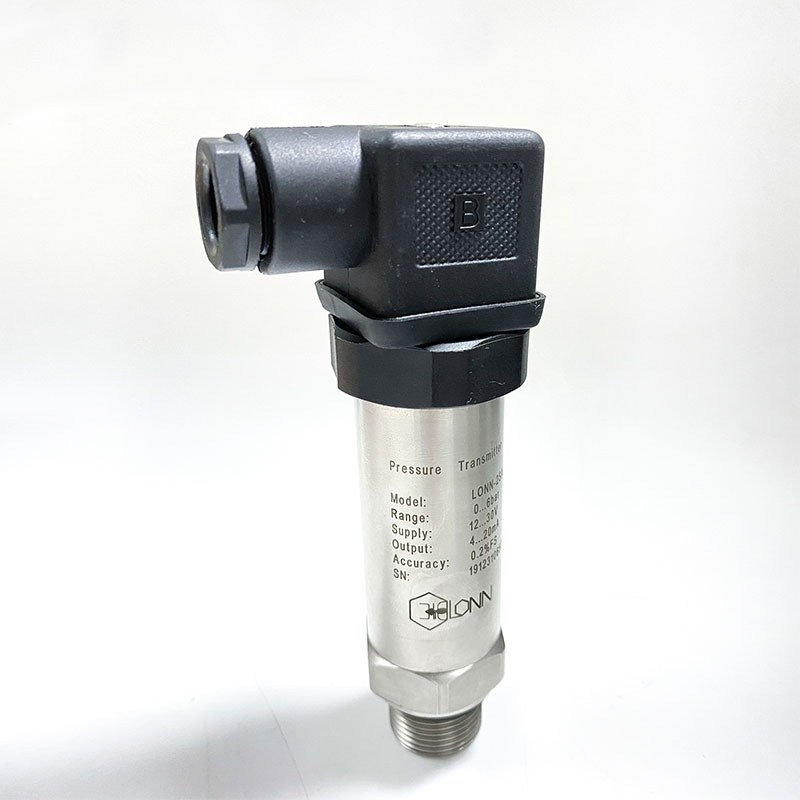
Lonnmeter inline pressure transmitters are built to meet the demands of industrial-scale phosphoric acid production, standing up to the rugged conditions found in phosphate fertilizer plants. Their robust diaphragm and wet-material construction are specifically designed for prolonged exposure to dilute sulfuric acid, a common reagent in the phosphoric acid production process, and to endure frequent process fluctuations without loss of measurement stability.
With integrated self-diagnostic features, these transmitters continuously monitor their own health, providing real time digital output. This capability is crucial for addressing advanced impurity clogging scenarios prevalent in wet-process phosphoric acid production, where particulate phosphate ore and byproducts like calcium sulfate dihydrate (gypsum) often accumulate. Quick detection of such clogging events helps reduce process interruptions, which is vital for optimizing overall process efficiency and maintaining best practices for phosphate fertilizer plant operations.
These transmitters deliver precise measurements, which are central when handling highly corrosive or abrasive fluids, as found during the acidolysis process in phosphate ore processing techniques. Their advanced materials of construction enable long-term maintenance of critical equipment, minimizing the need for frequent disassembly and cleaning—a common pain point associated with turbulence interference effects in chemical processing. This reduction in manual intervention directly supports maintenance frequency optimization for fertilizer plants and lowers overall operational costs.
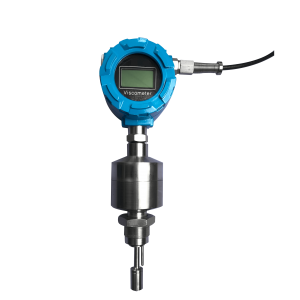
Pairing Lonnmeter inline pressure transmitters with supporting instruments—such as inline concentration, density, viscosity, level, and temperature sensors—creates a cohesive, data-driven monitoring system. This synergistic network enables early detection of abnormal process conditions, such as pressure surges or composition changes, that could lead to safety risks or inefficient chemical usage. This approach enhances impurity clogging prevention in phosphoric acid production, improves resource allocation, and allows for more precise management of byproducts like gypsum, supporting continuous improvement in calcium superphosphate and monoammonium phosphate fertilizer production.
Through real time monitoring and integrated troubleshooting, Lonnmeter inline pressure transmitters address the unique challenges of dilute sulfuric acid usage in phosphoric acid manufacturing. Their deployment promotes safer handling of flammable and explosive gases encountered during phosphate ore processing, delivers actionable operational insights, and ensures stable measurement performance even in the most demanding wet-process environments.

Recommended Installation Placements and Operational Benefits
Inline pressure transmitters should be strategically installed at key points throughout the phosphoric acid production process. In phosphate fertilizer plants, these critical placements are the dilute sulfuric acid feed line, the reaction mixer, and zones of gypsum discharge. Each location experiences distinct process dynamics—from steady feed delivery to rapid reactions and complex slurry separation—requiring tailored, real-time pressure monitoring for reliable production oversight.
Redundancy is vital at high-risk points. Areas prone to impurity accumulation—such as bends, mixers, and narrow pipeline sections—are frequent sites for clogging, especially during wet-process phosphoric acid production and calcium superphosphate fertilizer manufacturing. By installing parallel sensors in these locations, operational teams can detect inconsistencies due to localized blockages or turbulence interference, dramatically improving measurement stability even when process conditions fluctuate or solids begin to settle.
To further enhance process accuracy, adjacent deployment of supporting instruments is recommended. Inline transmitters for concentration, density (including Lonnmeter devices), viscosity, liquid level, and temperature should be networked within the same chemical circuit. This arrangement enables multi-parameter validation. For example, during the acidolysis process in monoammonium phosphate fertilizer production, cross-referencing pressure with concentration and density readings helps pinpoint early signs of process upset or impurity buildup before gypsum precipitation thickens the slurry or shuts down flow.
Optimizing this monitoring architecture yields significant operational benefits. Efficient placement and redundancy directly address impurity clogging prevention in phosphoric acid production, reduce turbulence-induced failures, and minimize the need for frequent disassembly and cleaning. Maintenance frequency drops, helping avoid costly process interruptions and extending the lifespan of critical equipment. Integrated validation across pressure, density, and temperature transmitters makes advanced troubleshooting of impurity clogging more efficient, ensuring safety—especially where dilute sulfuric acid and explosive gases are involved. Plants experience measurably lower operational costs and achieve best practices in phosphate fertilizer plant operations. Enhanced process visibility supports long-term maintenance and performance optimization across calcium sulfate dihydrate gypsum byproduct management and all phases of industrial-scale phosphoric acid production.
Conclusion: Maximizing Efficiency and Safety in Phosphoric Acid Production
Real-time inline pressure monitoring is essential for phosphate fertilizer plants aiming to increase efficiency and ensure safe operations within the phosphoric acid production process. Installing advanced pressure transmitters—including those designed and manufactured by Lonnmeter—allows for continuous data collection throughout wet-process phosphoric acid production and related processes such as monoammonium phosphate fertilizer production and calcium superphosphate fertilizer production. Accurate, stable pressure readings enable process control teams to respond instantly to abnormal conditions, especially those involving the use of dilute sulfuric acid in acidolysis or when handling flammable and explosive gases.
Lonnmeter inline pressure transmitters play a critical role in optimizing maintenance frequency and reducing downtime. By delivering high-resolution, reliable data, these transmitters support strategies that minimize the need for frequent disassembly and cleaning, even under conditions susceptible to impurity clogging, turbulence interference, and scaling from calcium sulfate dihydrate gypsum byproducts. Measurement stability throughout the industrial-scale phosphoric acid production environment contributes to improved equipment longevity and performance.
Integrating real-time pressure sensors directly within critical points of the pipeline allows operators to maintain maximum compliance with safety standards and regulatory requirements. Facility workers are safeguarded through proper detection and response capabilities—crucial when working with hazardous or highly corrosive materials. Adhering to best practices during phosphate ore processing and process monitoring not only streamlines operation but also enhances long-term maintenance planning for essential equipment.
Ultimately, deploying advanced Lonnmeter inline pressure transmitters throughout the acidolysis process empowers operators to troubleshoot impurity clogging proactively. It ensures steady performance regardless of turbulence, supports consistent product quality, and enables phosphate fertilizer plants to maximize throughput without sacrificing safety or process integrity.





FAQs
1. How does real time pressure monitoring improve impurity clogging prevention in phosphoric acid production?
Real time pressure monitoring provides an immediate view of pressure conditions inside dilute sulfuric acid pipelines during the wet-process phosphoric acid production process. Abnormal spikes or drops in pressure indicate early accumulation of impurities such as phosphate mud or gypsum crystals, which cause turbulence interference and are common clogging agents. By reviewing continuous pressure data, operators can detect these anomalies at the earliest stage, intervening quickly to flush or chemically treat affected sections. This targeted approach prevents larger blockages, minimizes the risk of forced plant shutdowns, and streamlines impurity management compared to less responsive, periodic manual checks. For instance, a sudden pressure rise upstream of a control valve often signals an emerging deposit, triggering immediate operational action to prevent calcium sulfate dihydrate (gypsum) obstruction.
2. Why is inline pressure transmitter stability important in dilute sulfuric acid pipelines?
Stable inline pressure readings are crucial for precise acid dosing and reaction rate control in industrial-scale phosphoric acid production. Instability in pressure measurement may cause under- or overfeeding of acid, leading to poor acidolysis, inefficient phosphate ore processing, or off-spec monoammonium phosphate and calcium superphosphate fertilizer yields. Instabilities can also compromise process safety; fluctuations might go unnoticed until they provoke leaks or equipment fatigue. Maintaining stable pressure measurement is therefore key to process efficiency, reduced chemical wear, equipment longevity, and safe handling of flammable and explosive gases in chemical plants.
3. Can inline pressure measurement reduce maintenance frequency in phosphate fertilizer plants?
Accurate and reliable inline pressure transmitters support maintenance frequency optimization by reducing dependence on frequent disassembly and cleaning routines. They enable predictive maintenance strategies based on real operational data rather than fixed schedules. For example, when pressure readings stay within normal ranges, operators can defer intrusive inspections, minimizing downtime and unnecessary exposure to hazardous acid environments. This is particularly valuable for phosphate fertilizer plants seeking long-term maintenance of phosphoric acid production equipment, as it limits both costs and disruption from routine manual cleaning.
4. Where should inline pressure transmitters be installed in sulfuric acid pipelines?
Installation points for inline pressure transmitters should be chosen with a focus on process criticality and risk of clogging. Key locations include pipeline feed and discharge points—where concentration shifts are expected—as well as near high turbulence zones that accelerate impurity precipitation. Placing transmitters before and after vital control valves allows monitoring of pressure differential, making it possible to localize developing blockages or detect abnormal flow caused by early-stage gypsum buildup. These best practices for phosphate fertilizer plant operations help maintain continuous oversight of both process efficiency and safety.
5. Which other inline instruments should accompany pressure transmitters in wet-process phosphoric acid production?
A comprehensive instrumentation approach combines pressure transmitters with inline concentration, density, viscosity, level, and temperature sensors. This multi-parameter setup enhances process control, enabling precise adjustment at every stage—such as tight regulation during acid dosing or real-time monitoring of calcium sulfate dihydrate byproduct management. For instance, Lonnmeter’s inline density and viscosity meters provide key data on slurry consistency, complementing pressure trends for advanced troubleshooting of impurity clogging. When used together, these instruments create a holistic system that maximizes process reliability, operational safety, and high-yield monoammonium phosphate fertilizer production.
Post time: Jan-14-2026


